
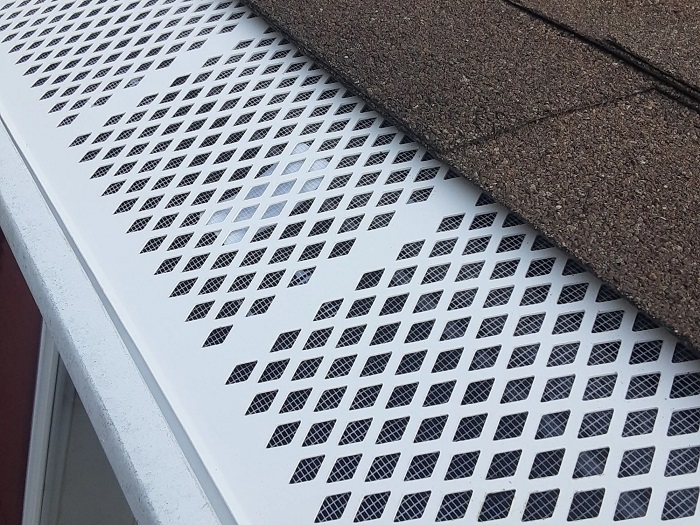
Homeowners have been dealing with clogged gutters for as long as gutters have existed. Leaves, pine needles, roof grit, and seed pods build up inside channels, causing overflow that damages foundations, fascia boards, and landscaping. For decades, the solution was either climbing a ladder twice a year or installing basic gutter screens — perforated covers that kept large debris out but still let smaller particles through.
That approach is becoming obsolete. A newer technology — micro-mesh filtration — has fundamentally changed how gutter protection works, and the difference is significant enough that roofing and exterior contractors across the country are shifting their recommendations.
How Micro-Mesh Differs From Traditional Screens
Standard gutter screens use holes or slots large enough to let water through but small enough to block leaves. The problem is that anything smaller than the holes — pine needles, shingle granules, seed pods, pollen — passes right through and accumulates in the gutter channel. Over time, this fine debris creates a sludge that’s actually harder to clean than whole leaves.
Micro-mesh guards use a surgical-grade stainless steel mesh with openings as small as 50 microns — fine enough to block virtually everything except water. The mesh sits on a solid aluminum frame that mounts directly over the existing gutter. Water flows through the mesh by surface tension while debris sits on top and dries out, then blows away or slides off with the next rain.
Performance in Heavy Rainfall
One legitimate concern with any gutter cover is water handling capacity during heavy downpours. Early gutter guard designs struggled with this — water would sheet over the guard and miss the gutter entirely. Modern micro mesh gutter guards address this with engineered surface patterns that break water tension and channel it through the mesh even at high flow rates. Quality systems handle over 22 inches of rainfall per hour, which exceeds the heaviest recorded rainfall rates in most of the continental United States.
Climate Considerations
Geography matters when choosing gutter protection. Homes in the Southeast deal with heavy rain, rapid mold growth, and year-round leaf drop from live oaks and palms. Northern homes face ice dam concerns and heavy snow loads. Coastal properties contend with salt air corrosion. The best micro-mesh systems use marine-grade stainless steel and aluminum specifically because these materials resist corrosion across all climate conditions without degrading over time.
Installation and Compatibility
A common misconception is that gutter guards require replacing your entire gutter system. In practice, micro-mesh guards install directly onto existing 5-inch and 6-inch K-style gutters — the standard profile on most American homes. Professional installation typically takes one day for an average-sized house. The guards mount under the first row of shingles and attach to the outer lip of the gutter, maintaining proper drainage pitch and keeping the system secure against wind uplift.
Long-Term Cost Analysis
The math on gutter protection is straightforward. Professional gutter cleaning runs $150 to $350 per visit, recommended twice annually. Over 10 years, that’s $3,000 to $7,000 — not counting the risk of water damage from a missed cleaning or the liability of DIY ladder work. Gutter guard installation is a one-time investment that eliminates ongoing cleaning costs entirely. Most quality systems include transferable warranties that add value at resale.
What to Look For
Not all micro-mesh systems are equal. The key differentiators are mesh material (stainless steel outlasts aluminum or plastic), frame construction (aluminum won’t rust), installation method (professional vs. DIY clip-on), and warranty terms. Systems that offer a true no-clog guarantee backed by the manufacturer — not just the installer — indicate confidence in the product’s long-term performance.