
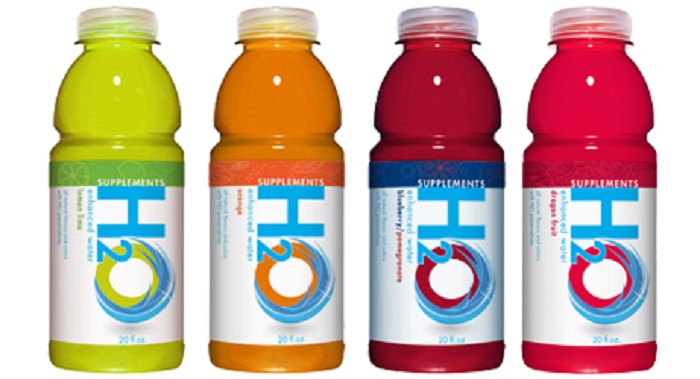

In recent years, the beverage industry has been undergoing a profound transformation. Consumer expectations are shifting, health and fitness trends are accelerating, and the demand for more personalized products continues to rise. Within this landscape, private label sports drinks have emerged as one of the most dynamic categories. Once dominated by a handful of global giants, the sports drink market is now welcoming an increasing number of retailers and independent brands that are launching their own formulas. Behind this change lies the collaboration with every drink manufacturer capable of customizing, innovating, and producing beverages that align with evolving consumer needs.
The Shift Toward Private Label Beverages
Private label beverages, in general, have gained strong traction over the last decade. Once considered low-cost alternatives to branded products, they are now positioned as high-quality options that compete head-to-head with established names. Sports drinks are no exception. The reasons behind their growing popularity include:
- Consumer trust in retailers. Shoppers increasingly trust the supermarkets and fitness chains where they buy products. When those same outlets introduce their own sports drinks, consumers are willing to try them.
- Rising demand for customization. Athletes, fitness enthusiasts, and even casual consumers want sports drinks that reflect their values—whether low sugar, plant-based electrolytes, or added vitamins. Private labels are quicker to respond to these niche preferences.
- Price and accessibility. Many private label products offer a better balance of affordability and quality, which makes them accessible to a wider audience.
Health and Wellness as Driving Forces
The modern sports drink consumer is not just looking for hydration after exercise. They are increasingly health-conscious, scanning labels for sugar content, natural ingredients, and added functional benefits. While the earliest sports drinks were designed primarily to replenish electrolytes, today’s versions may contain plant proteins, adaptogens, probiotics, or natural caffeine sources.
Private label sports drinks fit perfectly into this environment because retailers and independent brands can work closely with their drink manufacturer partners to create unique recipes. Instead of mass-producing a single flavor or formula, manufacturers can tailor products to specific health trends or consumer demographics. This flexibility helps private label brands capture markets that large, slower-moving corporations may overlook.
Innovation Through Collaboration
One of the most significant advantages of private label products is the ability to innovate rapidly. Traditional beverage giants may take years to research, test, and launch a new sports drink. In contrast, private labels often collaborate directly with manufacturers who already have the infrastructure and expertise.
For example, if there is a growing demand for a sugar-free sports drink with added electrolytes and natural sweeteners, a private label brand can bring it to market in months rather than years. This speed of innovation is particularly important in today’s fast-changing environment where consumer preferences evolve quickly.
A drink manufacturer plays a central role here by offering:
- Research and development teams capable of formulating beverages with specific nutritional profiles.
- Access to cutting-edge ingredients such as plant-based proteins or sustainable packaging materials.
- Scalable production capacity to meet both small test batches and large-scale distribution needs.
The Impact of Global Trends
Global market trends also favor private label sports drinks. The shift toward healthier lifestyles, rising participation in fitness activities, and the influence of social media on wellness culture have all boosted demand. Consumers are also more willing than ever to experiment with new brands.
Furthermore, sustainability has become a crucial factor. Environmentally conscious packaging, ethically sourced ingredients, and transparent labeling are no longer “nice-to-have” features but essential requirements. Private label brands, with the help of agile manufacturers, are well-positioned to integrate these practices from the very beginning, making them appealing to eco-minded consumers.
Marketing and Brand Identity
It is not only the product itself that makes private label sports drinks popular but also the way they are marketed. Retailers and fitness companies can align the drinks with their existing brand identity. For instance, a gym chain that emphasizes high performance might market its private label sports drink as the ultimate recovery partner, while a retailer known for organic foods might highlight clean and natural ingredients.
This direct connection between brand image and product offering helps strengthen consumer loyalty. When customers see that a trusted retailer or fitness chain produces its own sports drink, it enhances both the beverage’s credibility and the parent brand’s value.
Challenges and Opportunities
Of course, there are challenges in this space. Private label sports drinks must overcome the perception that they are of lower quality than major branded options. Consistency in taste, nutritional accuracy, and safety standards are essential for building trust. Additionally, as more retailers and companies enter the market, differentiation becomes increasingly important.
Still, the opportunities outweigh the risks. Private label sports drinks offer brands the chance to stand out in a crowded marketplace by addressing unique consumer needs, staying on top of health trends, and offering competitive pricing.
Looking Ahead
The rise of private label sports drinks reflects larger changes in how consumers view food and beverages. No longer satisfied with generic products, people want drinks that match their lifestyles, fitness goals, and values. Retailers and businesses that recognize this shift are embracing private label opportunities, relying on skilled drink manufacturer partners to bring innovative concepts to life.
As the sports drink market continues to expand, the line between traditional branded products and private labels will blur further. What matters most to consumers is taste, health benefits, sustainability, and trust. In all these areas, private label sports drinks are well-positioned to thrive.