
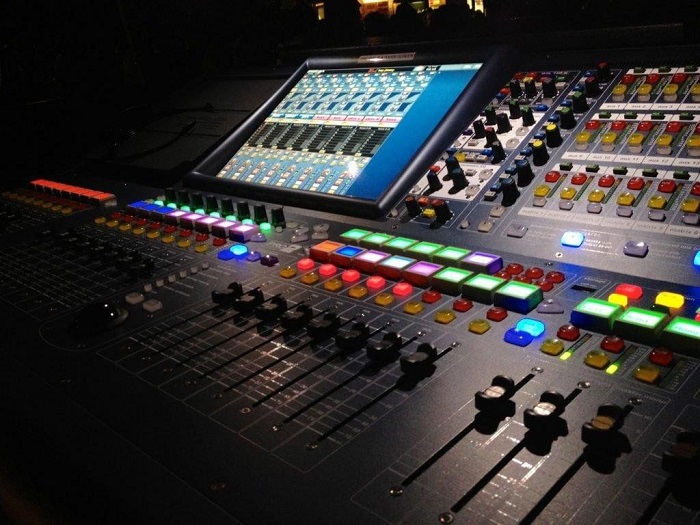
Organizing a successful event depends largely on high-quality sound equipment that delivers clear and powerful audio. Modern equipment features a variety of systems, including portable speakers, fixed sound systems, and professional sound systems suited to the size and format of the event. Selecting the right equipment helps create the right atmosphere and ensure a comfortable environment for all participants.
When selecting equipment, it’s important to consider not only its technical specifications but also design elements such as ambient lighting and the premium sound system. These components work together to create a harmonious and memorable atmosphere, highlighting the style of the event and satisfying guest expectations. Focusing on the quality and compatibility of your equipment will help achieve maximum impact and ensure the success of any event.
Optimal Solutions for Professional Sound Systems on Large Stages
When organizing events on large stages, selecting professional sound systems is key to ensuring high-quality sound and meeting audience demands. The right combination of equipment ensures uniform sound distribution, minimized distortion, and noise isolation, which is especially important for large-scale events.
To achieve maximum effectiveness, consider the parameters of the space, the type of event, and the specific acoustic field. The judicious use of modern technologies and professional solutions ensures system reliability and sound quality throughout the event.
Key Components of Professional Sound Systems for Large Stages
Powerful active and passive speakers are the foundation of any professional system. They must have sufficient power and a wide frequency range to reproduce both low and high frequencies. Settings and calibration allow for optimal sound distribution throughout the stage and auditorium.
Amplifiers and mixers provide high-quality signal processing and sound level control. In turn, crossovers and signal processors allow you to adjust frequency ranges and reduce the risk of feedback, which is especially important when working with multiple sound sources.
Equipment Selection Recommendations
- Determine power and sound coverage requirements based on the stage size and number of participants.
- Choose equipment from reputable brands with a guarantee of reliability and high-quality support.
- Consider the scalability of the system and component compatibility.
- Consult with acoustic specialists for optimal equipment placement and system setup.
Mobile Acoustic Systems for Corporate Events and Presentations
The choice of mobile acoustic systems depends on the size of the event, sound quality requirements, and the specific features of the venue. The kits consist of active speakers, amplifiers, mixers and cable connections, which provide a complete sound design and ease of operation. Thanks to modern technology, many models are equipped with built-in Bluetooth adapters or batteries, which expand their functionality and increase mobility.
Advantages of mobile acoustic sets
- Lightweight and compact – allow for easy transportation and quick deployment.
- Quick installation – setup takes minimal time, which is important in a tight event schedule.
- Autonomy – the presence of batteries ensures operation without the need for a power supply.
- Multitasking – can be used for speech, musical accompaniment, or presentation video materials.
What parameters are important when choosing microphone equipment for concerts and conferences?
When selecting microphones for concerts and conferences, a number of key characteristics should be considered to help you choose the optimal one. A solution tailored to specific conditions.
Key Parameters for Selecting Microphone Equipment
- Microphone Type – Dynamic, Condenser, or Lingua. Dynamic microphones are typically used for stage performances due to their resistance to noise and high sound pressure levels. Condenser microphones are more suitable for conferences and studio recording, where high sensitivity and sound quality are essential.
- Frequency Response – The width of the frequency response affects the accuracy of voice or instrument reproduction. For speech, a range of 50 Hz to 15 kHz is usually sufficient, while musical performances require wider ranges.
- Sensitivity – the sound level a microphone can capture without distortion. High sensitivity ensures good reproduction of quiet sounds, but requires careful handling to avoid picking up unnecessary noise.
- Impedance – low or high. Impedance selection affects compatibility with other equipment and signal level.
- Polar Chart – cardioid, supertransport, or olive. Cardioid microphones capture voices well from the front and minimize background noise, which is important in crowded settings.
- Mechanical durability and design – it’s important to consider operating conditions to ensure the microphone is comfortable and reliable to use while moving and during long performances.
When choosing microphone equipment, it’s important to consider not only the type and technical specifications appropriate for the event, but also its intended purpose – concert, conference, or performance. Proper selection of parameters will ensure high sound quality, improve speaker comfort, and create a positive audience experience.