
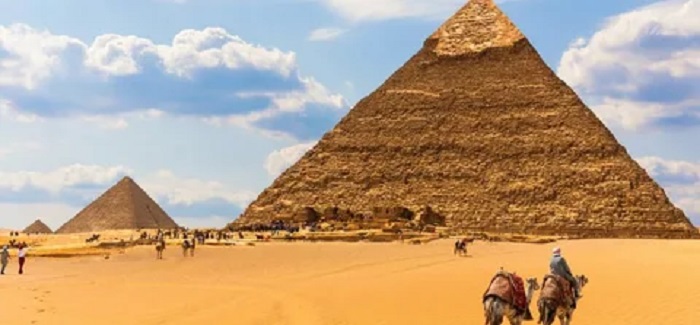
Egypt stands as one of humanity’s most captivating destinations, where ancient civilizations built monuments that still inspire wonder, where desert landscapes meet fertile river valleys, and where warm hospitality makes every visitor feel welcome. This guide provides everything you need to plan an extraordinary Egyptian adventure.
The Ancient Legacy of Egypt
Egypt’s history spans over 5,000 years, making it one of the world’s oldest continuous civilizations. The ancient Egyptians developed writing, built the pyramids, created sophisticated medical practices, and established a culture that influenced the entire Mediterranean world. The unification of Upper and Lower Egypt around 3100 BCE marked the beginning of pharaonic rule, a period that lasted three millennia through thirty dynasties.
The pyramids of the Old Kingdom represent humanity’s earliest monumental architecture. Built as eternal resting places for divine kings, these structures demonstrate remarkable engineering precision. The Great Pyramid of Khufu, constructed from 2.3 million stone blocks, remained the world’s tallest structure for nearly 4,000 years. When planning Giza tours and attractions, visitors encounter these architectural marvels firsthand, along with the enigmatic Sphinx that has guarded the plateau for millennia.
The New Kingdom brought Egypt to its imperial zenith. Pharaohs like Hatshepsut, Akhenaten, Tutankhamun, and Ramses II left magnificent temples and tombs. The Valley of the Kings contains over sixty royal tombs carved into limestone cliffs. The temples at Karnak, Luxor, and Abu Simbel showcase the era’s architectural ambition and artistic achievement. Egypt’s history continued through Greek, Roman, Byzantine, and Islamic periods, each adding cultural layers that make Egypt a uniquely rich destination for history enthusiasts.
Geographic Diversity Across Egypt
Egypt occupies a strategic position at the crossroads of Africa and Asia. The Nile River, flowing north from Sudan to the Mediterranean, defines Egyptian geography and has sustained civilization for millennia. This great river creates a narrow ribbon of fertility through vast desert landscapes, demonstrating nature’s power to sustain life against harsh conditions.
The Nile Valley and Delta, covering just 4% of Egypt’s land area, support over 95% of the population. Cairo has grown into Africa’s largest city with over 20 million inhabitants. The Delta’s fertile lands produce rice, cotton, and vegetables, while Upper Egypt features the narrow valley where most pharaonic monuments stand. River journeys through this region offer stunning views of agricultural landscapes and ancient temples.
Egypt’s deserts cover vast territories with distinctive characteristics. The Western Desert features the White Desert’s chalk formations, the Black Desert’s volcanic rocks, and remote oases like Siwa, Bahariya, and Farafra. The Eastern Desert contains the Red Sea Mountains, ancient trade routes, and mineral deposits. The Sinai Peninsula combines dramatic mountain scenery with spectacular coral reefs. Mount Sinai attracts pilgrims and trekkers, while coastal areas offer world-class diving and snorkeling opportunities.
Climate and Cultural Context
Egypt’s desert climate brings hot summers and mild winters. Summer temperatures from May to September regularly exceed 40°C (104°F) in southern regions like Luxor and Aswan. Coastal areas benefit from sea breezes that moderate heat. Winter months from November to March offer comfortable temperatures ranging from 15-25°C (59-77°F), ideal for sightseeing, though evenings can be cool, especially in desert areas. Understanding these patterns helps travelers plan appropriately and pack suitable clothing.
Egyptian society reflects Islamic traditions blended with pharaonic heritage and modern influences. Over 100 million people call Egypt home, with most being Sunni Muslims and a significant Coptic Christian minority. Religion shapes daily life, with prayer calls marking time throughout the day. Family forms the foundation of Egyptian culture, with strong extended family bonds and high value placed on hospitality. Those booking vacations in egypt discover that Egyptian warmth and generosity create memorable cultural exchanges throughout their journeys.
Egyptian cuisine reflects agricultural abundance and historical trade connections. Popular dishes include koshari (rice, lentils, and pasta), ful medames (fava beans), molokhia (leafy green soup), and ta’ameya (falafel). Fresh bread accompanies most meals, while sweet tea and strong coffee are social staples. Markets overflow with spices, fruits, and vegetables. Food serves not just as sustenance but as a medium for social connection and cultural expression.
Practical Travel Advice
Successful Egyptian travel requires preparation and cultural awareness. Many visitors find that professional Egypt Private Tour Packages provide the best experience, offering expert guides who bring historical sites to life, handle logistics, and facilitate cultural interactions. These packages typically include transportation, accommodations, entrance fees, and often meals, allowing travelers to focus on experiences rather than arrangements.
Essential considerations include:
- Visa and Documentation: Most visitors can obtain visas on arrival for approximately $25 USD or apply for e-visas online. Ensure your passport remains valid for at least six months beyond your departure date. Keep copies of important documents separate from originals.
- Health Precautions: Drink only bottled water and be cautious with street food initially. Bring hand sanitizer and any prescription medications in original packaging. Consider travel insurance covering medical emergencies. Sun protection is essential given Egypt’s intense sunlight.
- Appropriate Clothing: Pack lightweight, modest clothing covering shoulders and knees. Women should bring scarves for mosque visits. Comfortable walking shoes are essential for archaeological sites. Bring sun hats, sunglasses, and high-SPF sunscreen.
- Money Matters: The Egyptian Pound is the local currency. ATMs are widely available in cities and tourist areas. Carry small bills for tips and small purchases. Credit cards work at major establishments but cash remains necessary for many transactions.
- Best Travel Times: October to April offers pleasant weather for touring. December to February is peak season with higher prices and crowds. Summer brings intense heat but lower prices and empty sites. Consider weather preferences when planning your visit.
- Safety Awareness: Egypt has invested heavily in tourism security. Tourist areas are generally safe, but standard precautions apply: secure valuables, stay aware of surroundings, and avoid displaying wealth. Be alert for common tourist scams.
- Transportation: Domestic flights connect major cities efficiently. Trains offer scenic travel between Cairo, Luxor, and Aswan. Ride-hailing apps work well in cities. Nile cruises provide luxurious travel while visiting temples along the river.
- Communication: Purchase a local SIM card at the airport for affordable data and calls. WiFi is available at most hotels and cafes. Download offline maps and translation apps before traveling to remote areas.
- Cultural Respect: Learn basic Arabic greetings. Remove shoes when entering mosques. During Ramadan, avoid eating in public during daylight. Always ask permission before photographing people, especially women.
- Photography: Most sites permit photography, though some charge camera fees. Flash is prohibited in tombs and museums. Never photograph military or government installations. Drones require difficult-to-obtain permits.
- Tipping: Baksheesh is expected for services. Tour guides typically receive 50-100 EGP per day, drivers 30-50 EGP, restaurant servers 10-15%, and small tips for minor services. Keep small bills handy.
- Bargaining: Bargaining is expected in markets but not in shops with posted prices. Start by offering half the asking price and negotiate pleasantly. Never begin bargaining unless genuinely interested in purchasing.
Egypt challenges travelers while offering extraordinary rewards. The heat, crowds, and cultural differences may test patience, but these minor inconveniences pale against the privilege of experiencing five thousand years of history. Standing before the pyramids, sailing on the Nile at sunset, exploring vibrant markets, and engaging with warm, welcoming people creates memories that last a lifetime.
Approach Egypt with flexibility, patience, and curiosity. Embrace differences as learning opportunities rather than frustrations. Those who engage respectfully with Egyptian culture and people discover that Egypt offers not just historical monuments but meaningful human connections and profound insights into human civilization’s foundations.
Begin planning your Egyptian adventure today. Whether you explore for a week or a month, whether you focus on ancient sites or modern culture, Egypt will exceed your expectations and inspire you in ways you cannot anticipate. The land of the pharaohs awaits with timeless wonders and warm hospitality.