
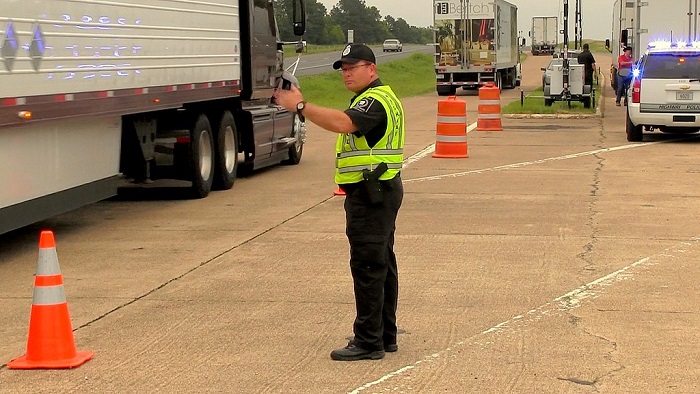
Navigating I-71 Kentucky is a vital route for countless commercial drivers, especially those hauling dry-van freight through and around Louisville. With the high volume of traffic, CSA inspections on this corridor have become increasingly critical to ensure road safety and regulatory compliance. These roadside checks are designed to evaluate both vehicle and driver readiness, focusing on key safety elements such as tire tread depth, functional ABS lights, and valid driver medical cards.
Failing to meet these standards can lead to an Out-of-Service (OOS) status, which not only disrupts delivery schedules but also impacts a carrier’s overall safety score. The presence of a valid CVSA decal following a successful CSA inspection signals compliance and helps build trust with clients and regulators alike. Understanding the importance of these inspections on I-71 Kentucky enables truckers to prepare proactively, minimize delays, and maintain a strong safety record. This article will guide you through essential tips and best practices, ensuring your journey on I-71 passes every roadside check with confidence.
2. Key Safety Components Officers Inspect
During a CSA inspection on I-71 Kentucky, officers focus on several critical safety components to ensure compliance and roadworthiness:
- Tire Tread Depth: Adequate tread is essential for safe traction, especially for dry-van trucks navigating varying road conditions.
- ABS Light Functionality: Officers verify that the ABS light is operational, indicating a properly functioning anti-lock braking system.
- Brake System: Inspection covers brake pads, drums, and lines to meet OOS criteria.
- Driver Medical Card: Validity of the driver med card is checked to confirm fitness for duty.
- Lighting and Reflectors: All lights, including turn signals and headlights, must be fully functional.
- CVSA Decal Presence: Confirms the vehicle has passed prior inspections and maintains a strong safety score.
Being thorough with these components reduces the risk of delays and ensures compliance during every roadside check.
3. Hours of Service (HOS) Accuracy and Compliance
Maintaining accurate Hours of Service (HOS) records is crucial during any CSA inspection on I-71 Kentucky, especially for dry-van drivers. To ensure compliance and avoid OOS criteria:
- Log All Driving and Rest Periods: Accurately record every hour spent driving, on-duty, off-duty, and resting.
- Use Electronic Logging Devices (ELDs): ELDs help maintain precise logs and are often required during roadside checks.
- Verify Log Consistency: Check that your logs align with supporting documents like fuel receipts and trip records.
- Understand HOS Rules: Follow federal limits on daily and weekly driving hours to maintain a clean safety score.
- Keep Logs Updated and Accessible: Present current logs promptly when requested during inspections.
Focused HOS compliance reduces inspection delays, supports your CVSA decal status, and keeps your dry-van operation running smoothly on I-71 Kentucky.
4. Essential Documentation for Roadside Check
To streamline your CSA inspection on I-71 Kentucky, have these key documents ready:
- Driver Medical Card: Must be valid and up-to-date to prove fitness for duty.
- Hours of Service Logs: Accurate and complete, preferably recorded via Electronic Logging Devices (ELDs).
- Vehicle Registration and Insurance: Current documents confirming legal operation and coverage.
- CVSA Decal or Inspection Report: Displays prior compliance and a strong safety score.
- Driver’s License: Proper class and endorsements matching the dry-van vehicle.
- Maintenance and Repair Records: Demonstrates adherence to inspection and OOS criteria.
Preparing these documents in advance reduces delays during roadside checks and reinforces compliance with CSA inspection standards on I-71 Kentucky.
5. Understanding OOS Criteria and Its Impact
Out-of-Service (OOS) criteria play a pivotal role during a CSA inspection on I-71 Kentucky, directly influencing a driver’s ability to continue operating legally and safely. If a vehicle or driver fails to meet critical standards — such as insufficient tire tread, a non-functioning ABS light, expired driver med card, or inaccurate Hours of Service logs — they risk being placed out of service. This means immediate cessation of operation until violations are corrected, causing costly delays and disrupting dry-van freight schedules.
Beyond immediate consequences, OOS violations negatively impact a carrier’s safety score, making it harder to secure contracts and maintain a valid CVSA decal. Roadside checks on I-71 Kentucky rigorously enforce these criteria to ensure public safety. Understanding which factors trigger OOS status empowers drivers and carriers to prioritize preventive maintenance and documentation accuracy. Staying proactive not only avoids OOS designation but also strengthens overall compliance, enabling smoother trips and protecting your reputation on this heavily trafficked corridor.
6. The Role of CVSA Decal and ABS Light in Inspections
During a CSA inspection on I-71 Kentucky, the CVSA decal and ABS light serve as critical indicators of a vehicle’s safety and compliance status. The CVSA decal is awarded only after a successful roadside check, signaling that the dry-van truck has met or exceeded all OOS criteria, including tire tread depth, brake system functionality, and valid driver documents like the medical card. This decal not only streamlines future inspections but also contributes positively to a carrier’s safety score, fostering trust with regulators and clients alike.
Equally important is the ABS light, which officers examine to confirm the anti-lock braking system is operational. A malfunctioning ABS light often triggers an Out-of-Service status due to its vital role in maintaining braking control and preventing accidents. Ensuring the ABS light is off indicates the braking system is working properly, reducing inspection delays and supporting a clean safety record.
Together, the CVSA decal and ABS light status help inspectors quickly verify compliance during roadside checks on I-71 Kentucky. Prioritizing these elements in your vehicle’s maintenance routine safeguards against OOS violations and keeps your dry-van freight moving efficiently along this busy corridor. If you’re a driver looking to operate in this region,view open positions with trusted carriers.
7. Maintaining Tire Tread and Brake Life for Safety
Proper maintenance of tire tread and brake systems is crucial for passing CSA inspections on I-71 Kentucky and ensuring overall road safety for dry-van operators. Inspectors pay close attention to tire tread depth since worn tires reduce traction and increase the risk of accidents, especially on busy highways like I-71. Maintaining tread above the federal minimum not only prevents Out-of-Service (OOS) violations but also helps sustain a positive safety score.
Brake components — including pads, drums, and lines — must be in excellent condition to meet OOS criteria during roadside checks. Regular inspections for wear, leaks, and proper adjustment ensure the ABS light remains off, signaling a functional anti-lock braking system. Neglecting brake maintenance can quickly lead to OOS status, impacting delivery schedules and reputation.
To stay compliant, drivers should routinely check tire tread depth and brake functionality, document maintenance, and address any issues promptly. This proactive approach supports obtaining and retaining the prestigious CVSA decal, streamlines inspections, and enhances safety on the demanding routes of I-71 Kentucky.
8. Monitoring Driver Medical Card and Safety Score
A critical aspect of preparing for a CSA inspection on I-71 Kentucky involves diligent monitoring of the driver medical card and maintaining a strong safety score. During roadside checks, inspectors verify the validity of the driver med card to ensure the operator is medically fit to handle a dry-van truck safely. An expired or missing medical card can immediately trigger Out-of-Service (OOS) criteria, halting operations until compliance is restored.
Regularly reviewing the driver med card’s expiration date and renewing it proactively helps avoid inspection delays and OOS violations. In addition, carriers and drivers should keep track of their safety score, which reflects overall compliance with CSA standards, including previous roadside checks and maintenance of key components like tire tread and ABS light function.
A favorable safety score not only facilitates smoother inspections but also plays a role in securing and retaining the CVSA decal — a visible mark of compliance on I-71 Kentucky routes. By staying current with medical certifications and actively managing safety performance, dry-van drivers minimize risks, reduce downtime, and maintain operational efficiency during every CSA roadside check.
9. Conclusion: Staying Prepared for CSA Inspections on Dry-Van Loads
Preparing for CSA roadside inspections on I-71 near Louisville is essential for every driver and carrier handling dry-van loads. From understanding the specific inspection points — including vehicle condition, hours of service compliance, and proper documentation — to ensuring your rig meets all safety standards, thorough preparation reduces downtime and fines. Familiarity with local inspection sites along I-71 and anticipating common inspection challenges empowers drivers to stay compliant and confident. Regular pre-trip inspections, meticulous record-keeping, and ongoing driver training are proven strategies that maintain high safety scores and streamline inspection experiences. By prioritizing proactive readiness, carriers not only protect their reputation but also enhance operational efficiency on this busy corridor. Staying informed about CSA regulations and adapting to evolving enforcement trends will keep you one step ahead. Ultimately, consistent preparation transforms roadside inspections from stressful hurdles into manageable checkpoints, ensuring smooth transit and safer roads on I-71 near Louisville.