
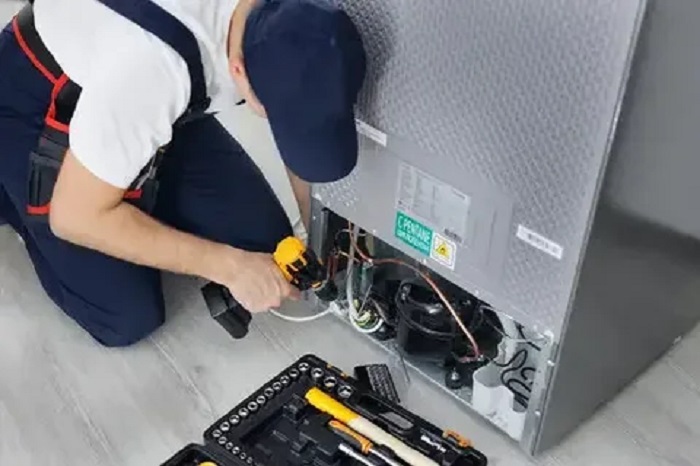
Refrigerator malfunctions can lead to food spoilage. Therefore, this problem needs to be addressed as quickly as possible.
A refrigerator that stops cooling creates an urgent situation for any household. Food safety becomes a concern, and homeowners often try quick fixes without understanding the underlying cause. While some issues are simple, others require professional diagnostics. Identifying the most common reasons for cooling failure helps determine the appropriate action and prevents repeated breakdowns.
One of the most frequent causes is a blocked condenser coil. These coils release heat from the refrigerator, and when they become covered with dust or debris, the unit cannot expel heat efficiently. As the coils warm up, the refrigerator struggles to maintain the correct temperature. Cleaning the coils often restores cooling, but severe buildup may require a technician to inspect deeper components if airflow has been restricted for a long time.
Another common reason is poor airflow inside the refrigerator or freezer. When vents become blocked by containers, bags or ice buildup, cold air cannot circulate properly. This leads to uneven cooling and warm spots. Rearranging items to ensure clear airflow pathways solves the problem in many cases. However, persistent ice buildup may indicate a defrost system malfunction that requires professional attention.
Faulty door seals also play a significant role in cooling issues. If the gaskets lose flexibility or become damaged, warm air enters the refrigerator each time the door is closed. Even a small gap can cause the compressor to run constantly without achieving the target temperature. Inspecting the door seals for cracks or looseness and replacing them when necessary helps maintain cooling efficiency.
Another common cause is a malfunctioning start relay. This component helps the compressor turn on. If the relay fails, the compressor may not start at all or may start intermittently, which leads to little or no cooling. Clicking sounds often accompany relay failure. Replacing the relay is a straightforward repair for a trained technician, and it usually restores normal compressor operation.
The evaporator fan is equally important. It circulates cold air through the refrigerator and freezer compartments. If the fan stops working due to a mechanical or electrical issue, cooling drops quickly. Homeowners may notice that the freezer remains cold while the refrigerator warms up, which is a classic fan failure symptom. Replacing the fan restores airflow and balances internal temperatures.
Temperature control problems also cause cooling failures. A faulty thermostat or control board can send incorrect signals to the compressor. When the system believes the temperature is already cold enough, it stops cooling prematurely. Testing the thermostat or control board requires tools and experience, so a technician usually handles this type of diagnosis.
Another frequent issue is a failing compressor. While compressors are built to last many years, they can eventually wear out. When a compressor weakens, the refrigerator may cool slightly but cannot reach the correct temperature. A complete compressor failure results in no cooling at all. Because compressor replacements involve specialized equipment, homeowners typically rely on professional service to determine whether repair or replacement is the best option.
Refrigerant leaks also reduce cooling performance. Low refrigerant prevents proper heat absorption, which makes the refrigerator run longer while still failing to cool. Homeowners cannot detect or fix refrigerant leaks on their own, as this requires specific tools, leak testing and safe handling procedures. A professional can locate the leak, repair it and recharge the system to restore cooling.
Electrical issues should not be overlooked. Loose wiring, tripped breakers or damaged components may interrupt power to critical parts of the refrigerator. While checking the outlet and breaker box is simple, diagnosing internal wiring problems requires a technician to ensure proper safety and accurate repair.
Blocked or frozen drain lines sometimes contribute to cooling problems as well. When the drain line clogs, water accumulates and freezes around the evaporator, limiting airflow. Clearing the drain line and melting the excess ice often resolves the issue, but recurring blockages indicate a deeper problem with the defrost system.
Understanding these common causes helps homeowners recognize when a simple adjustment is enough and when professional assistance is required. Freedom Breeze technicians work with all major refrigerator brands and provide accurate diagnostics to restore cooling quickly and prevent future failures