
A three-phase backup project should be sized from measured demand across the site, not from a headline inverter rating. Offices, schools, workshops, and larger homes can have very different phase balance, motor starts, and critical-load priorities. The planning process should identify what must remain powered during an outage, what can be shed, and whether the battery, PV array, generator, distribution board, and protection system are being designed as one coordinated installation.
Start with a phase-by-phase load schedule. Record continuous loads, intermittent loads, and equipment that has a higher starting requirement, such as pumps or compressors. Note when those loads run together rather than simply adding every nameplate value. This creates a clearer picture of simultaneous demand and helps the designer see whether an imbalance on one phase could become a practical limitation even when total site consumption appears reasonable.
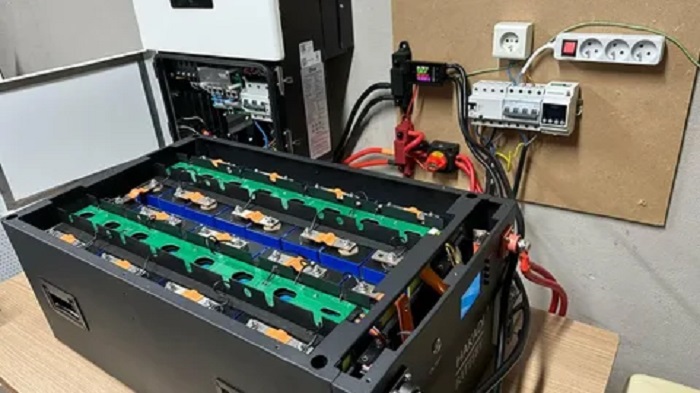
Battery planning needs its own calculation. Storage capacity influences backup duration, while battery current capability affects how much power can be delivered at a given time. Cable sizes, BMS compatibility, disconnects, and protection coordination should be confirmed against the selected battery arrangement. A large inverter does not remove the need to evaluate the battery bank as a power source with its own operating limits.
For projects examining a three-phase low-voltage option, the luxpower 20kw hybrid inverter product page provides a model-specific starting point. Its 5-20kW range, three MPPT inputs, low-voltage battery context, and generator compatibility should be matched to the chosen model and a documented site assessment before quotation or installation.
PV design should be checked separately from load sizing. Confirm the selected model’s permitted voltage, current, and array power limits, then design strings within those values. Roof space, shading, orientation, cable routes, isolators, and surge protection still need site-specific engineering. A solar array may contribute strongly during the day while a battery and backup plan remain essential for the period when the required loads continue after production drops.
Generator integration should be planned from the actual generator and control arrangement. Record the generator rating, output quality, starting method, and the intended operating logic when it is combined with grid, PV, and storage. The installer needs to define how the sources are coordinated and which loads are available in each condition. Do not assume that a generator connection alone guarantees automatic behavior without checking the complete design.
Commissioning should verify the intended site behavior, not only the inverter display. Test selected critical circuits, confirm phase allocation, observe battery and PV operation under an approved procedure, and check that protection devices and monitoring are configured for the installed equipment. Retain the model number, hardware version, battery details, and document edition used by the installer, because ranges can have different specifications across variants and revisions.
A 20kW three-phase hybrid project succeeds when its capacity is connected to a realistic energy plan. Measured loads, battery current, PV design, source coordination, and phase balance should all be resolved before equipment is ordered. That preparation gives the site a system sized for its operating priorities rather than an inverter selected only by its largest printed number. The site owner should decide in advance how load shedding will work during low battery conditions or an extended outage. Some circuits may be essential, while others can be delayed until solar generation or another source is available. Put that priority order into the system briefing, distribution design, and user training. A technically capable inverter cannot make an unclear operating policy work by itself. Clear load priorities help the installer configure the system and help users respond consistently when the available energy changes. The design file should distinguish expected operation from emergency operation. That distinction helps everyone understand which circuits are intended to run together, which loads should be deferred, and why a particular backup capacity was selected. It also improves later commissioning conversations with the site operator.